Monday, 11 January 2010

Production

Documentary

This is the final edit of the documentary:


Radio Trailer


Here is the finished Radio Trailer:


Print Advert

This is the final draft of the Print Advert:


Sunday, 10 January 2010

Evaluation

Question One

In what ways does your media product use, develop or challenge forms and conventions of real media products?

Opening Titles


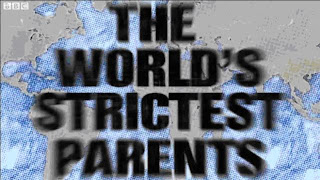
Link: http://www.bbc.co.uk/iplayer/episode/b00pgm4b/The_Worlds_Strictest_Parents_Series_2_Update/
The opening titles of a documentary play an extremely important part in the making of the documentary as it reflects what the program is about; even the font style reflects the feel the makers of the documentary are trying to get across. Here the font reflects the theme of the show as it is bold and angular, almost as though it should be used for an army advert; this allows the audience to get a feel for the show. Even the way in which it enters the screen is important as it also reflects the style of the show, in ‘The Worlds Strictest Parents’ the title comes on rapidly and seems to be hitting the screen which again gives a certain feel towards the documentary.


Interview Framing


Conventional framing of a documentary
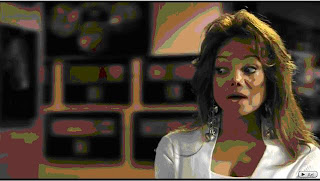
Link: http://www.youtube.com/watch?v=jtgNXDANC-c

Interviews are framed to either the left or right of the screen in medium close up or close up. The eye-line should be around the top 1/3 of the screen with a mise-en-scene that has a relevance to the topic either of the documentary itself or of the interviewees profession this makes it easier to follow from the audience’s point of view.

The Framing in my documentary:


Graphics


Conventional use of graphics
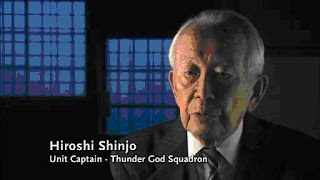
Link: http://www.channel4.com/programmes/the-day-of-the-kamikaze/4od/player/3012049

Graphics pay a key part in an interview as they inform the audience of who they are listening to and there relevance to the topic. The graphics enter the screen in various ways here I have shown a fade in, whereas my documentary uses a scroll. Conventionally the name of the interviewee is in a larger font than there relevance to the topic or job title but in mine I have only used the name as the interviewees job title is unimportant in the interview and there relevance to the topic is heard during the interview.


Graphics in my documentary


Archive Material


Zoom on Archive Material
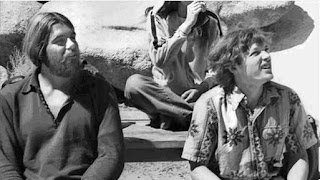
Link: http://www.channel4.com/programmes/daredevils/4od/player/3009577

Panning on Archive Material
Link: http://www.channel4.com/programmes/daredevils/4od/player/3009577

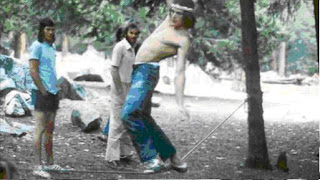
Documentaries throughout have to stay entertaining so as the audience continues to watch which is why they use various filming techniques and video transitions during the still images for the archive material. The two main filming techniques used are zoom and pan as shown above. Below is an example of a transition I have used.


Transition/superimpose

Overall my documentary follows many of the conventions of a typical documentary; I have chosen to do this as to make it recognizable to audiences as being a documentary and also as to make it less confusing to the audience and to keep the programme entertaining.


Question Two

How effective is the combination of your main product and ancillary texts?

I have tried to make the main product and ancillary texts work together through creating coherences throughout all of them:

Voiceover – The voiceover used for both the radio trailer and documentary is done by the same person, this helps to create a link between them, and also it helps make sure that the voiceover is still targeting the same audience.

Clips from Documentary – Also in the radio trailer we chose to use clips from the voxpops and also from the interviews, this creates a strong link between the trailer and documentary as we are including teasers from the documentary to help attract the audience but also to link both.

Scheduling – The scheduling is used on all of the ancillary texts along with the title and slogan of the show. This directly links the texts to the main product, and helps advertise it.

Images – The image used for the print advert links with the documentary as it shows various people with piercings as one face, this is to shock the audience as it produces a weird image which is how the documentary entertains its audience through the shock factor produced by some of the images and stories throughout.


Radio Trailer Script – The radio trailer script includes clips from interviews and the voxpop, this is done to create a strong link between the radio trailer and the documentary itself but also the clips are used to tease the audience. Here is the radio trailer script:

Over the years views on Piercings and Tattoos have changed, from being used to represent anything from crime to wealth and status, to now where they can be seen as fashionable or in the extreme form…
‘Very very ugly’
‘I don’t like it’
‘Strange, very very weird’
‘Funky’

During this documentary we explore the lives of people world known for there full body tattoos or piercings, seeing how people react and why they felt the need to be so extreme in there body modification. Why does anyone feel the need to get a tattoo or piercing?

‘Very very ugly’
‘I don’t like it’
‘Strange, very very weird’
‘Funky’

These are taken directly from the documentary, the reason I have chosen to use these specific clips is because they are short, do not give away too much about the documentary, and leave the audience to imagine what the person they are commenting on looks like which will make them curious and hopefully in turn make them want to watch the documentary.

Why does anyone feel the need to get a tattoo or piercing?

I chose to use this as this question is asked throughout the documentary, also as it is one of the last things the audience hear it will get them thinking about it enough for them to have an interest in the topic and want to find out more.

Here is a list of radio stations that I feel would be appropriate for the radio trailer:

National Radio Stations
Radio 1
Radio 4
Virgin Radio

Local Radio Stations
Juice FM
Rock FM
Heart FM
List of local stations for various local stations and there areas:
BBC Coventry and Warwickshire Coventry
BBC London London
BBC Radio Berkshire Reading
BBC Radio Bristol Bristol
BBC Radio Cambridgeshire Cambridge
BBC Radio Cornwall Truro
BBC Radio Cumbria Carlisle
BBC Radio Derby Derby
BBC Radio Devon Plymouth
BBC Essex Chelmsford
BBC Radio Gloucestershire Gloucester
BBC Radio Guernsey St Sampson's
BBC Hereford/Worcester Worcester
BBC Radio Humberside Hull
BBC Radio Jersey St.Helier
BBC Radio Kent Maidstone
BBC Radio Lancashire Blackburn
BBC Radio Leeds Leeds
BBC Radio Leicester Leicester
BBC Radio Lincolnshire Lincoln
BBC Radio Manchester Manchester
BBC Radio Merseyside Liverpool
BBC Radio Newcastle Newcastle
BBC Radio Norfolk Norwich
BBC Radio Northampton Northampton
BBC Radio Nottingham Nottingham
BBC Radio Oxford Oxford
BBC Radio Sheffield Sheffield
BBC Radio Shropshire Shrewsbury
BBC Radio Solent Southampton
BBC Somerset Sound Taunton
BBC Radio Stoke Stoke
BBC Radio Suffolk Ipswich
BBC Surrey Guildford
BBC Sussex Brighton
BBC Radio Wiltshire Swindon
BBC Radio York York
BBC Tees Middlesbrough
BBC Three Counties Radio Luton
BBC WM Birmingham
BBC Radio Cymru Cardiff
BBC Radio Scotland Glasgow
BBC Radio Nan Gaidheal Stornoway
BBC Radio Ulster Belfast
BBC Radio Foyle Londonderry
BBC Radio Wales Cardiff
2BR Burnley
3FM Douglas
3TR FM Warminster
3TFM Saltcoats
7 Waves Community Radio Wirral
10Radio Wiveliscombe


Question Three

What have you learned from your audience feedback?

For my audience feedback I showed a variety of people my documentary, radio trailer and print advert then asked these questions:

Documentary
Question 1. Now you have seen the five minutes would you want to watch the rest of it and why?
“I would watch the rest of it as I have tattoos myself”

“Yes, I think it would be interesting to find out why people go to the extremes of tattooing and piecing”
“Not usually something I would watch but watching the first five minutes did make me want to watch more”


Question 2. What are the strengths and weaknesses of the documentary?


“The strengths are that it keeps me interested throughout and I thought the opening titles worked well, I would say the weaknesses are the lack of video footage during the history and also I think there could have been more music”

“I thought the historical information was good also the cutaways used were appropriate as they linked to what the person getting interviewed was talking about or showing us, a weakness I thought is when your talking to the people outside because you can hear the wind quite loudly on some of them”
“A strength would be the graphics on the interview I like how they come on the screen as it is done in the same was as a tattoo also I thought the voxpop was good, a weakness would be that in some parts of the voice over it gets a bit quiet”

Question 3. Do you think that it is appropriate for channel 4?

“I think it would be appropriate for Channel 4, as they have similar types of documentaries on at the moment and also it is something that I would be interested in watching and I regularly watch Channel 4.”
“Yes, Channel 4 shows extreme body programmes”


“Typical type of documentary you would find on channel 4, so yes”

Question 4. What do you think would be an appropriate target audience and why?
“Basically anyone, both old and young people are used in it so it could appeal to anyone”

“Anyone with tattoos or piercings would be interested as it applies to them”

“People with an interest in the subject”

“The history is in depth so also anyone with an interest in history will enjoy watching it”

Question 5. Do you think it looked professional and why?

“Yes, the framing of the interviews was good and also the graphics made it look professional”


“I thought so yeah, the layout of the show was very good and typical of a documentary”


Question 6. How does it compare to a professional documentary?

“I thought it was very good, the graphics used in the interviews were good and cleaver in the way they entered the screen”

“Again the framing of the interviews was the same as a professional documentary although I did feel that it needed more actuality footage”


Radio
Question 1. What are the strengths and weaknesses of the radio trailer?


“The music used was good as it was the same music used in the documentary itself so therefore creating coherence between the documentary and the radio trailer which I thought worked well, although sometimes the music did get too loud at parts”

“I thought overall it was good apart from sometimes I could not make out what the voice over was saying, as it was too quiet and the music got a bit loud”

Print
What are the strengths and weaknesses of the print advert?


“Overall I thought the print advert was good as it looked like a typically advert that would be used for channel 4 because of the logo and the colours”

“I like the title of the documentary and I think the image used was cleaver and represented the documentary well although I did notice that the image was a bit rough around the edges”


Question Four

How did you use media technologies in the construction and research, planning and evaluation stages?
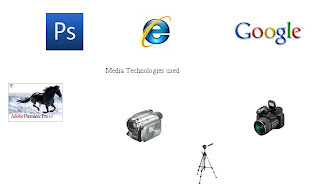


Photoshop – Photoshop was used to design the print advert: this included editing images, designing fonts, creating layouts etc. Also photoshop was used to help convert images into JPEG files so that I could upload them to the blog.

Stills Camera – I used the stills camera for images used for the print advert, the profile pictures for the audience feedback and also to take pictures of the filming and editing process.

Tripod – The tripod was used during the voxpop and also for the filming of the still images used during the voxpop to help create smooth shots.

Video Camera – The video camera was used throughout the documentary for the filming process.

Adobe Premier – Adobe Premier was used for the editing for both the documentary itself and the radio trailer, it was are main peice of editing software so as the editing process went on we got better at using the software and used more of its features such as the transitions, cross fades etc.

Voice Recorder - A voice recorder was used during the questionnaire process at the start of the planning and also druing question three of the evaluation to record audience responces.

Making of Ancillary Texts

Radio Trailer

Here is the script for my documentary showing also where I am including clips from the show. The radio advert is also read by the same person doing the voice over throughout the documentary to create coherance.

Radio Trailer Voiceover:
Over the years views on Piercings and Tattoos have changed, from being used to represent anything from crime to wealth and status, to now where they can be seen as fashionable or in the extreme form…
(Clips from documentary)
‘Very very ugly’
‘I don’t like it’
‘Strange, very very weird’
‘Funky’
During this documentary we explore the lives of people world known for there full body tattoos or piercings, seeing how people react and why they felt the need to be so extreme in there body modification. Why does anyone feel the need to get a tattoo or piercing?


Print Advert


This is a rough sketch for the print advert following the codes and conventions of a typical channel 4 advert. This sketch does not show what the main image is fully of nor does it show the background, as at this stage we had not yet planned the background and the image is something that altered throughout the process.

Here are the images we took for our print advert a few of which were not used:


This image was used in the first draft of our print advert but later on we got rid of it as we decided to used someone with a piercing for the mouth. The lighting in both these images was not very good either which is another reason why we got rid of it.


The first image was also used in the first draft of our print advert but we got rid of it as it was at a slight angle and we could not use the other two as in one the lighting is too strong and the last one is blurry.


We were going to use this image for the mouth but again we did not due to it not having a piercing.


This is the image we finally chose to use for the bottom of the face.


This is the image we used for the eyes.


This is the image used for the nose.


The first image here is the image used for the top section of the face, the other image we could not used due to it being at an angle.

Saturday, 9 January 2010

Radio Trailers & Print Adverts

Codes & Conventions

Radio Trailer

Title
- The title of the programme will be at the end of the trailer along with the scheduling: time, day and channel. Usually in that order so as the channel is the last thing the audience will hear.

Voiceover
- The voiceover is used to outline the narrative and link all the clips together.
- Can also be used to tease the audience by inculuding certain extracts from the programme.
- Usually poses a question to the audience (genrally the one used throughout the documentary for coherance).
- Is allways relevant to the programme (e.g. the voice will represent the audience of the programme).

Music Bed
- The music bed is a layer or audio that all the other audio is placed on top of.
- Genrally it is music that is either used in the show or relevant to the show.
- Can also include clips from the show such as: archive material, interviews, voxpop etc.


Print Advert

- Includes only one image.
- This image will either be portrait or landscape depending on the size of the advert: portrait for a full page, landscape if it only takes up part of a page.
- The only text used in the advert is the title, slogan and scheduling of the programme.
- The logo for the channel should be the only other thing on the print advert genrally this is placed in the middle of the page to the left or right.

Examples of channel 4 print adverts: http://www.4creative.co.uk/flash/#/print/press_and_poster/factual

Monday, 14 December 2009

Editing

In terms of editing I have been involved through helping firstly with the opening montage, this involved using firstly just simply cutting the clips to equal length and using straight cut between clips, later on when watching this back a few times we found that it was not visually interesting so decided to use a transition instead.


The second piece of footage we edited was the opening title again this changed through the editing process, firstly we again cut clips of equal length using a straight cut between clips but watching it back we noticed that the lighting changed suddenly between clips and the body moved. I tried to remove this problem by firstly making the clips shorter and then putting them in slow motion to make the body seem to move less, but through doing this the lighting problem still remained so we decided to re-film this sequence. Once we had done this, we again edited it using simple cuts between the clips but through learning through my mistake in the first edit I decided to make the clips shorter and slow them down as to make the overall look less jolty.


Next I edited the interview with Josh Gilroy, this involved using cross dissolve on the cutaways to give them a smooth entrance and exit also I changed the sound levels as to stop some of the sound seeming to enter suddenly. I edited this so as the answers would make sense without the audience hearing the question, I found doing this the most challenging part and some answers had to be edited out as they could not be understood alone.


The voxpop was the next footage which needed to be edited, some of the clips when watching them back were inaudible so they were removed. The clips we could use were edited again using cuts as to not distract the audience, we also left three gaps between certain parts of the voxpop as we had shown people three different images and we were going to include these later.


Next we added in these images for the voxpop, these were made to lengths that I thought would give enough time for the voice over to introduce them which at first was just a guess as the script had not at this stage been written but later on we made them the correct length. Again I used simple cuts between clips.

Monday, 16 November 2009

Filming

I have been involved with the filming proccess of our documentary by firstly filming our montage, this involved taking handheld extreme close-ups of peoples tattoos and piercings,
I filmed around four of these clips this helped improve my handheld camerawork and taught me how to frame correctly.

Secondly, I filmed still images for our section on tattoo history this involved using panning and zoom shots as to make them interesting. A few of these shots we could not use due to the camera jolting or the image not being framed right, after a few attempts I got smoother at filming panning and zoom shots.

Thirdly I helped with the filming of our voxpop, the first time we went filming I was asking questions but a few of the clips were unusable due to sound issues or in some cases what the people said, so I refilmed more people, through doing this it taught me how to keep the framing right and how to know when a shot is useable.

I also filmed the interview with Gary, doing this helped me use a tripod and showed me how to frame an interview correctly keeping eyeline match and framing the interviewee to one side of the screen. The first time we filmed this the lighting was not right, so we re filmed this interview but corrected the lighting, doing this has reienforced the importance of lighting and has made me alot more aware of it when filming.

Finally, I helped with the filming for the part of our documentary on piercing history, again this involved using a tripod to film smooth panning & zoom shots of still images, which again helped improve my skills at doing these shot types.


Interview Questions

In preparation for filming the interview we had to plan the questions we were going to ask and preplan also the mise-en-scene and framing. Here is the final draft of the questions:

Piercings: Josh Gilroy

Question One
How many piercings have you got?

Question twowhat piercings have you got and why did you get them?

Question Three
Where you influenced by anyone/celebrities to get a certain piercing?

Question Four
Do you go to school/college or work?

Question Five
If so, are you allowed to have your piercings on show?


Voiceover Script

After filming the documentary we had to think about the voiceover: who would it be? what would they be saying? etc. We started by writing a draft of the script, which we later improved by making sure it would fit in the time frame (we had not wrote too much or too little) and making sure it was appropriate for the audience, and that it linked the footage together well.

This is the final draft of the script:


History of Tattooing:
In the last few years tattoos have become the latest must have fashion accessory making them seem like a modern phenomenon, but this is not the case, tattooing has been round long before the time of Christ. The first real record of tattooing comes from ancient Egyptian wall paintings showing people baring tattoos, this fashion soon travelled around the world. Tattooing has been used for many different purposes and not just for body art; Romans used tattoos to brand criminals and slaves. The Japanese also marked their convicts. A single line on the forehead represented a first-time offender. Two lines marked a repeat offender and three lines spelled ‘dog’. Tattoos faded off the scene for 400 years, between 1200 and1600. When the British explorers returned from voyages with completely tattooed natives, in the late 1600’s and 1700’s the tattoos caused a sensation in London. Samuel O’Reilly patented the first electric tattooing machine. Ironically, for a practice that for a large part of its history has had negative social connotations, it has now become a must have fashion accessory.


History of Piercing:
In recent times body piercing has been closely linked to fashion trends, although the history of piercing can be traced back to the ancient times when the primitive tribes and clans practiced this unique art of body modification. Body piercing has existed since the time immemorial and the practice is believed to be over thousands of years old. The Egyptians were fond of embellishing themselves, however the pharaoh was the only person able to get his naval pierced. Anyone found guilty of attempting to acquire a belly button piercing could face the death penalty. Romans practiced the art of body piercing specific aims in view. Roman centurions pierced their nipples, not for its appeal, but to indicate their vigour and potency. The Aztec and Maya were known for their skills as great warriors and they indulged in septum piercing so that they seemed more ferocious to their enemies.

Voxpop (Introduction):
Elaine Davidson, in the Guinness World Record book she is acknowledged as being the worlds most pierced women. We asked people what they thought about her.

Erik Sprague aka the lizard man, he is known as this due to his full body tattoos and fork tongue used to make him look like a lizard. We asked people what they thought about him and Tom Woodbridge aka the leopard man or Tom Leppard, known for having tattoos replicating the skin of a leopard. We asked people what they thought about him.


Voiceover Recording (History of tattooing/piercing):

Voiceover recording (Voxpop):


Wednesday, 7 October 2009

Running Order

Running Order

Documentary: Skin Deep
Channel: Channel 4
Scheduling: Wednesday 9pm
Duration: 24 minutes (including advert breaks)

First 5mins

30secs - Montage of people’s tattoos & piercings
20secs - Opening Titles
15secs - Voice over: ‘What do you think about them?’
(A voice over introduces the topic related to results explaining answers)
30secs - Tattoo history
1min 30 secs - Tattoo getting done & interview with tattoo artist
30secs - History of piercing
35secs - Interview with Josh Gilroy 35secs
1min - Voxpop showing images of leopard man, lizard man & Elaine Davidson (Peoples Reactions)

Monday, 5 October 2009

Formal Proposal

Formal Proposal

Topic
Tattoos and Piercings

Type of Documentary
Mixed

Style of Documentary
Informal
Entertaining
Informative

Channel and Scheduling
9pm Wednesday, Channel 4

Target Audience
18 to 35

Primary Research Needed
Getting Images of extremely tattooed and pierced people
Questionnaire
Finding people to interview

Finding locations for filming
Props
Creating the Mise-en-scene

Secondary Research Needed
Extracts from Films & TV programmes

Images
Music
Relevant Documents (magazines, books etc.)

Narrative Structure
Open
Multi-strand
Non Linear
Circular

Outline of Content
Voxpop
People getting tattoos done
Interviews with:
- Elaine Davidson
- Steve-O
- Miami Ink cast
- Tattoo Artists
- People with tattoos (public)
- Lizard man
Archive Material

Resource Requirements
DV Camera
Tripod
Adobe Premier
Images for Voxpop
Microphone
Photoshop for Title

Brainstorm

We decided to produce a brainstorm of words that ourselfs and our class would come up with in a certain ammount of time these words could be things we are interested in or just words we thought of at the time. We would then use this list to firstly show us just how broad the genre of documentary is, as basically anything can be the topic of a documentary, but, also this list allowed us to think of ideas for our own documentarys.


Here is the list:


Friends
Models
Animals
Skateboarding
NHS
Drawing
Brushing Teeth
Dancing
Rollercoaster’s
School
Hobnob
Trampolining
Make-up
Sport
Gig's
Wok
Money

Colors
Wallet
Fighting
Cooking
Xbox
Cars
English
Shoes
Maths
Technology
Space
Astronomy
Extensions
Choirs
Butterflies
Death
Comedy
Alcoholism

Eyelashes
Wii
Pink
Media
Teaching
Laptop
TV
Alcohol
Christmas
Sexism
Fashion
Nature
Food
Fake Tan
Teenagers
Music
Waffles
Computers
Football
Piercings
Bluetooth
Anorexia
Film
Celebrities
Diets
Comedians
Americans
Abroad
Army
Fudge
Immigrants
Dinosaurs
Lifestyle
Tattoos
Architecture
Science
Surrealism
Cannabis
Drugs
Drinking
Mobile Phones
Sleep
Bages
Darkness
Shopping
Games
Liverpool
Holidays
Discrimination
Racism
Writing
Education
Nail Varnish
Facebook
Culture
YouTube
Cheese
Hair
Love
Nurses
Chocolate
Entertainment
Stars
Jewellery

Anime
Halloween
Party Popper
Paint
Social Groups
Art
Travel
Globe


After we made this list with the class we got into our groups and had to come up with the topic of the documentary that we would be making. We each finalised the list ourself to show which we were both interested in and to add a few ourselfs after doing this the ones that matched and the ones that we were added were put into another list then we discussed which one to chose. Finally we decided to do a documentary on tattoos.

Through the process of planning the documentary we decided to expand the topic to tattoos and piercings as we thought this would interest a greater audience.


Content for Documentary

Next we produced another brainstorm in our groups but this time for the content of the show. This is what we came up with:

Tattoo's

Types of Tattoos people Get
- Addictions
- Star Sign's
- Social Group's
- Art
- Relative's
- Football Team
- Symbolic
- Religion
- Partner

Celebrities Assosiate with Tattoos
- David Beckham
- Kat Von De (Miami Ink)
- Lizard Man
- Leopard Man
- Steve-o (Jackass)
- Dainton (Dirty Sanchez)

Reasions for Getting It Done
- Like The Feeling
- Addicted
- Go back to complete a tattoo

Getting it done/Tattoo Process
- Tattoo Parlour
- Needle
- Tattoo Artist

Henna Tattoos
- Don’t want permanent tattoo
- Cost - Cheaper
- Don’t want the pain of getting a real tattoo
- Try it out before getting a real one.


Completed Questionnaire & Conclusions

Media Research Questionnaire: Tattoos & Piercings Results

Q1) Are you:
Male: 7
Female: 13

This affects the results of the questionnaire as there is not a 50/50 split between males and females, making it bias towards females.

Q2) How old are you?
15 – 19: 11
20 – 24: 3
25 – 29: 4
30 – 34: 1
35+: 2

We targeted our questionnaire at a young audience due to scheduling which is why the questionnaire was filled out more by younger people.

Q3) Name three favourite colours:
Blue: 4
Red: 13
White: 3
Green: 1
Pink: 11
Purple: 1
Orange: 2
Yellow: 5
Black: 20

The two most popular colors are black and red, making this the colour scheme for the programme.

Tattoos

Q4) Do you have any tattoos?
Yes: 7
No: 13

Although tattoos are still less common, I think these results show an increse in the popularity of tattoos showing that the topic of the documentary will be directly interesting for some people.

Q5) If yes to question four, what is it and why did you pick it? E.g. Celebrity, symbolism, religion etc.
Star Sign: 1
Name of a loved one (wife/husband/child): 2
Looked nice: 3
All my mates got it: 1

This shows that most people that filled out the question view tattoos as something nice to look at, although quite a lot did get them for significant personal reasons.

Q6) If no to question four, would you ever consider having a tattoo?
Yes: 4
No: 3
Maybe: 6

This again I belive shows the increse in popularity of tattoos, making it a suitable and current topic to make a documentary on.

Q7) What are your views on people with numerous tattoos?
Freaky: 5
Weird: 7
Intimidating: 2
Cool: 1
Up to them: 3
Art: 2

These results show that extreme body tattooing is still seen as being unusual which should help keep the documentary entertaining and interesting throughout for the audience as it is not something you are in contact with daily.

Q8) Name three celebrities that you associate with tattoos
David Beckham: 23
Kat Von De: 21
Rihanna: 11
Steve-O: 3
Ozzy Ozbourn: 1
Brett Michaels: 1

The top two most popular celebritys associated with tattoos are David Beckham and Kat Von De, therefore I will try to feature them in the documentary.


Piercings

Q9) Do you have any piercings?
Yes: 15
No: 5

Piercing is shown to be a lot more popular than tattooing still which is not surprising, but also the high percentage of people with peircings means the subject of the documentary should be appealing to a large audience.

Q10) If yes to question 9, where is it and why did you get it?
Ear: 12
- School only allow earings: 7
- Popular: 3
- I like it: 2
Nose: 1
- Celebrity
Eyebrow: 2
- Favorite Band: 1
- Liked it: 1

This shows that subtle peircings are more common and that the main reason people get them is due to only them being allowed in school.

Q11) If no to question 9, would you ever consider getting a piercing?
Yes: 2
No: 3

This shows that only 3/20 people would deffinatly not have a peircing showing that there is a large potential audience for the documentary.

Q12) What are your views on people with numerous piercings?
Looks alright: 5
Over the top: 9
Not permentant so its okay: 6

Extreme body peircing seems to be viewed as slightly less shocking that full body tattooing, although most people do view it as being over the top meaning also that it should be entertaining and interesting for the audience to watch.

Q13) Name three celebrities that you associate with piercings
Rihanna: 17
David Beckham: 31

Questionnaire

Media Research Questionnaire: Tattoos & Piercings

Q1) Are you:
 Male
 Female

Q2) How old are you?
 15 – 19
 20 – 24
 25 – 29
 30 – 34
 35+

Q3) Name three favourite colours:
___________________
___________________
___________________

Tattoos

Q4) Do you have any tattoos?
 Yes
 No

Q5) If yes to question four, what is it and why did you pick it? E.g. Celebrity, symbolism, religion etc.
_____________________________________________________________________________________________________________________________________________________________________________________________

Q6) If no to question four, would you ever consider having a tattoo?
 Yes
 No
 Maybe

Q7) What are your views on people with numerous tattoos?
____________________________________________________________________________________________________________________________________________________________________________________________________________________________________________________________

Q8) Name three celebrities that you associate with tattoos
___________________
___________________
___________________


Piercings

Q9) Do you have any piercings?
 Yes
 No

Q10) If yes to question 9, where is it and why did you get it?
_____________________________________________________________________________________________________________________________________________________________________________________________

Q11) If no to question 9, would you ever get a piercing?
 Yes
 No

Q12) What are your views on people with numerous piercings?
____________________________________________________________________________________________________________________________________________________________________________________________________________________________________________________________

Q13) Name three celebrities that you associate with piercings
___________________
___________________
___________________

Q14) Please add any additional comments you would like to add about tattoos and piercings
____________________________________________________________________________________________________________________________________________________________________________________________________________________________________________________________________________________
Thank you for filling out our questionnaire

Friday, 2 October 2009

Scheduling

TV Scheduling

The schedule for each day can be broken down into clear segments. How would you categorise these segments?
Breakfast
Daytime
Childrens Programmes
Peaktime
Post Watershed

Who are the target audience for these segments?
Breakfast - Differs according to channel
Daytime - Housewives, elderly, unemployed, students
Childrens Programmes - Children
Peaktime - Families, mass audience
Post Watershed - Adults

What would you say are the most popular genres on television?
Soaps - Most popular - coronation street, Eastenders etc.
Sitcoms - Friends , Skins, etc.
Reality TV - Big Brother etc.
Drama's - Blue Murder, Waking the dead etc.
Football - One off's, not sport in general - just individual matches.
Game Shows - The Cube, Deal or not Deal etc.
Cookery programmes - Come dine with me etc.

Who is the target audience of each terrestrial channel? Give examples of scheduled programmes to support your views.
BBC1 - Everyone - We have to pay for it so everyone must be catered for at sometime in the day.
BBC2 - Minority audiences, became more popular.
ITV 1 - Everyone - No specific kids programmes, but there are programmes that kids can watch aswel.
Channel 4 -
Channel 5 -

Roughly, what percentage of each channel's schedules is taken up with repeats? Why do you think this is?
BBC1 - 10%
BBC2 - 30-40%
ITV1 - 10%
Channel 4 - 30%
Channel 5 - 40%
BBC 2, Channel 4 and Channel 5 don't have large audiences so don't get alot of money to have more programmes, so they have alot of repeats.
BBC1 and ITV1 can afford more new programmes

Which channels have more imported programmes in their schedules? Why do you think this might be?
BBC2, Channel 4 and Channel 5, as it is cheaper to import programmes rather than make them. Whereas, ITV1 and BBC1 have more money so they can make their own shows, they don't have to import them.

What do you understand by the term 'the watershed' and where does this occur in the schedules?
Adult only programmes - 9pm

Inheritance
Scheduling a programme immediately after a popular programme in the hope it will inherit some of its audience.

Pre-echo
Scheduling a programe before a popular programme. The hope is that the audience for the popular programme will tune in early or turn over early before it starts, will catch the end of the new programme which might grab their attention so they will watch the programme next time.

Hammocking
Scheduling a programme between two popular programmes both pre-echo and inheritance.


Codes & Conventions

Codes & Conventions

Type of Documentary
Mixed

Narrative Structure
Open
Single Strand
Non Linear

Camerawork
Interviews:
- Framed to either the left or right of screen in medium close up or close up
- Most important person getting interviewed usually framed or filmed in a unique style to stand out
Panning and Zoom used on still images to make them more visually interesting for audience
Handheld camerawork for actuality footage so as the camera can reply quickly to action
Overall throughout a documentary there is a large variety of camera shots and framing throughout this is to make the documentary more entertaining and visually pleasing as well as informing

Mise-En-Scene
Interviews:
- Background of interview mostly related to interviewee
- Background can be related to content if this is the case cornicing is used (blue or green screen) so as a background can be put in during editing which links directly to what is being spoken about

Sound
Narration:
- Standard English
- Generally the narrators age and gender reflects that of the target audience
- Occasionally the narrator is the complete opposite to what would be expected for example: a documentary on cars with a female voice over
Other voice over’s such as translations can also be used
Music is used to anchor emotions which will reflect the footage being shown
Non-diegetic sound can be used such as sound effects to make the audience feel as if they are there, these are usually used over the actuality footage but can sometimes be used over still images such as in a historical documentary showing a picture of a king may play war sounds over a still image to make it more entertaining

Editing
Montage used at beginning to give audience a teaser as what is going to be in the rest of the documentary
Cut & cutting used as they are not distracting to the audience
Fade to/from black used to sometimes show a passage of time
Archive Material
Film
TV
News Broadcasts
Images
Magazines
Newspapers
Music Videos etc.

Graphics
Interviews:
- Name & relevance/job title of interviewee on opposite side of screen to person
- Sans Serif or another simple font used as to not be distracting
Title has a unique font; font usually reflects content of show for example: Egyptian style font for a documentary on Egypt
Translations
Indicate time

Monday, 28 September 2009

Analysis of Documentary Genre

The Devil Made Me Do It

Type of Documentary
Mixed, as it includes: interviews, actuality footage and archive material

Themes
• Religion
• Youth culture
• Good vs. evil (binary opposition)
• Influence of media, did Marilyn Manson’s music and videos influence the behaviour of teenagers?

Narrative Structure
• Open narrative structure (question unanswered)
• Single strand (one story line)
• Non linear (does not follow chronological order)

Camerawork
• Interviews:
- Close up or medium close up filmed to left or right of screen
- Marilyn Manson interviews filmed in low angle to convey power
• Low angle shots of religious iconography, for example: Jesus on cross, angels, stain glass windows
• Long shots of deserted streets, high angle, slow pan
• Handheld camera work used in actuality footage because they need to be able to respond quickly to action (E.g. at a gig)
• Camera often jolts, this is the cameramen trying to retain the correct framing
• Camera observes other media, we (the audience) are not positioned as member of media

Mise-en-scene
• The mise-en-scene of the interviews provides us with information about the person(s), for example: teenagers at bar/in bedroom, old couple on couch, policeman in his office at desk
• Religious iconography: Jesus on cross, stain glass windows, angels
• Juxtaposition: Quiet Italian town contrasts with loud teenagers drinking
• Marilyn Manson in McDonalds (hypocritical)

Sound
• Music: religious, Marilyn Manson
• Sound effects: heartbeat, whispering, hitting sounds
• Narration: young male speaking in standard English (no slang) slight Scottish accent, narration is used to link up all the footage so as the whole documentary makes sense
• Translation: each voice reflected gender and age also Italian accent helps to convey further something about them

Editing
• Cut & cross cutting
These methods of editing are discrete as to not draw the audience’s attention away from the documentary, which is why they are the main form of editing within the programme.
• Fade to black & fade from black
These are used to show a progression of time.
• Montage
Opening sequence uses a montage of extracts of footage from within the documentary, this teases the audience and is used to grab there attention.

Archive Material
• Marilyn Manson videos
• Italian talk show
• American TV news
• Newspaper cuttings

Graphics
• End of programme to close narrative
• Name of person and relevance to subject matter, this gives the audience a connection between who is being interviewed and there importance to the documentary
• Lyrics
• Indicate time
• Some translation
• Title: unique gothic font, artistic and adds to good vs. evil theme
All of these (apart from title) are in Sans Serif font and are positioned to the left of screen; this is to keep them discrete.


Music Biz: The Marketing of Meatloaf

Type of Documentary
Mixed

Themes
• Marketing in the music industry
• Image creation
• Power of media
• Manipulation of audiences

Narrative Structure
• Single strand
• Non linear
• Closed
• Circular

Camerawork
• Low angle
• Interviews framed to either left or right of screen: close up or medium close up (conventional)
• One interview filmed in profile which breaks the convention but it feels strange
• Handheld used for actuality footage
• Point of view shots of audience observing media not part of media
• Zoom and pan used to make still images more interesting as to create a interest for the audience

Mise-en-scene
• Croaking (blue or green screen) used as background to interviews so as later on during editing the background can become related to subject matter or who the person is

Sound
• Narrator: male, standard English, used to hold narrative together and anchor the video footages meaning (conventional), but he is also sarcastic and has an opinion on the footage he says ‘Mr meet and greet himself’ this is unconventional of a documentary voice over

Editing
• Cut
• Dissolve used for interviews
• Spinning effect on images
• Montage of different American TV shows, this conveys popularity in the media
• Fast motion
• Slow motion

Archive Material
• Top of the pops
• Chart dhow
• Brit awards
• Grammy awards
• Neil’s house party
• News programmes
• Music videos
• Websites
• Magazines and newspaper articles
(Lots of archive material)

Graphics
• Logo for title of series ‘The Biz’ used on interviews next to name and relevance of person being interviewed
• Name. Job title or relevance to subject matter used to anchor the relevance/job of person being interviewed
• Graphics superimposed over images
• Title scrolled across bottom of screen at end (unconventional)
• Sans Serif ‘white’ typography conveys that documentary is modern and youthful


That Thing: Lara Croft

Type of Documentary
Mixed

Themes
• Power of the media (games new media)
• Icons
• Feminism/representation
• Gaming

Narrative Structure
• Single strand
• Non linear
• Closed

Camerawork
• Interviews framed to either left or right of screen: close up or medium close up (conventional) also tilted frame & big close up use this shows there creative use of camerawork
• Tilted frame
• Point of view tracking around arcade
• Zoom and pan used to make still images more interesting as to create an interest for the audience
Overall this is a lot of different camerawork used for a ten minute documentary

Mise-en-scene
• Croaking (blue or green screen) used as background to interviews with clips of the game imposed on them, also these are out of focus so as they do not distract the audience from the interviewee
• Front projection over interviewees face this almost looks as though the person is in the game
• Interviews well lit
• Creator of game interview framed in a computer in tilted frame (unique) as though he is one of the computer characters himself

Sound
• Music: from game, dance music, Madonna music (when there is a reference to Madonna being an icon in the same way as Lara Croft)
• Narration: Male, standard English, young, sounds like the type of person that would play the games

Editing
• Cut
• Fast motion
• Zoom

Archive Material
• Game
• Film
• Nike adverts
• Websites (forums)
• Emails
• Interview with Angelina Joli

Graphics
• Name & relevance of person getting interviewed on opposite side of screen to the person
• Name is in a larger font size than relevance/who they are
• Each graphic relates specifically to the subject matter ‘reviews that thing’
• Title in speech bubble, unique, suggests discussion


9/11: Falling Man


Type of Documentary
Mixed

Themes
• Power of the media/images
• Media Controversy
• Symbolism
• Death
• Fear
• Personal reactions towards media

Narrative Structure
• Single strand
• Non linear
• Closed

Camerawork
• Interviews: Left or right of screen, medium close up or close up
• Handheld camerawork for archive material
• No panning on certain still images because they are intresting due to how shocking they are already
• Panning
• Tracking
• Zoom

Mise-en-scene
• Strong lighting in interviews (heavenly/spiritual) Either extremely dark background with strong lighting on face or very bright well lit background with not much lighting on face (mysterious)
• Related background (related) but is blurry and unclear

Sound
• Narration: male, middle aged, standard English, sympathetic
• Music to anchor emotions
• Radio/news broadcasts over footage
• Walky talky recordings from firemen

Editing
• Cut
• Fade to black
• Blur

Archive Material
• News broadcasts
• Photographs
• Video footage of towers


Graphics
• Name & relevance of person getting interviewed on opposite side of screen to the person
• Title of documentary, Simple, white font with black background


Pharohs & Kings: A Biblical Quest


Type of Documentary
Mixed

Themes
• Religion/believes
• Recordings of history

Narrative Structure
• Single strand
• Linear
• Closed

Camerawork
• Interviews: Left or right of screen, medium close up or close up
• Panning
• Zoom
• Handheld

Mise-en-scene
• Black background for interviews

Sound
• Narration: male, old, standard English
• Music used to anchor emotion
• Sound effects: War, fighting

Editing
• Cut
• Fade to black
• Superimposed

Archive Material
• Shots of Egyptian landscape
• Pictures from books of Pharaohs


Graphics
• Name & relevance of person getting interviewed on opposite side of screen to the person
• Title of documentary, Egyptian style font


Research into Documentary Genre

A documentary is a ‘construction of reality’, seeming as documentaries are edited they can therefore portray there footage in any way also they pick out the most interesting/important parts (gate keeping – Section and rejection of information)


Types of Documentary

• Fully narrated
Off screen voice over to make sence of visuals & anchor the meaning of the footage.
(E.g. Natural History)
• Fly on the wall
Origins in cinema verity (truth), camera is unobtrusive & filming real life.
(E.g. Katie Price/Peter Andre Documentaries)
• Mixed
Combination of interview, observation & narration to advance the narrative.
• Self reflective
When the subjects of documentary acknowledge presence of camera.
• Docudrama
Re-enactment/reconstruction of events as they are supposed to have happened.
• Docusoap
Most recent form of documentary, follows group of people & shows there daily lives.
(E.g. Airline, Driving School, Ratcatcher)


Types of Narrative Structure

• Open vs. Closed

Open - There are loose ends and unanswered questions, this leaves the audience to make up there own minds
Closed - All loose ends are tied up, no questions remaining in audiences mind

• Single Strand vs. Multi Strand

Single Strand - One narrative running throughout
Multi Strand - More than one narrative that sometimes crosses over or converge

• Linear vs. Non Linear

Linear - Follows chronological order (time order)
Non Linear - Does not follow order of time (e.g. flashback)

• Circular Narrative

Poses questions at beginning, gives information then ends with the same question and leaves it to the audience to make up own mind. Often gives two sides of an argument.

Question → Information / Evidence → Back to Question…